


Chưa được phân loại
Common Iron Fence Installation Errors and Professional Solutions
In the construction industry, encountering iron fence installation errors is a primary reason why projects degrade prematurely, lose aesthetic appeal, and incur high repair costs. Whether you are securing a residential villa or an industrial warehouse, understanding these pitfalls is essential. This article summarizes the most frequent mistakes, analyzes their root causes, and provides professional steel fencing techniques to help investors ensure a durable and secure perimeter.
Why Choose an Iron Fence for Industrial and Residential Use?
Iron remains a top choice for security fencing solutions due to its perfect balance of strength, safety, and cost-effectiveness.
-
For residential areas: Iron is highly malleable, allowing for intricate designs and color customization to match various architectural styles.
-
For industrial applications: It offers high load-bearing capacity, easy height extension, and seamless integration with advanced security systems.

Key Advantages:
-
Robustness and high impact resistance: Ideal for harsh outdoor environments.
-
Design flexibility: Ranges from minimalist bars to high-security anti-climb features.
-
Diverse finishing options: Anti-rust primers, powder coatings, or hot-dip galvanizing.
-
Long-term cost efficiency: When installed correctly, the life-cycle cost is significantly lower than other materials.
See more: Hot-dip Galvanized Fence: The Superior Choice for Industrial Steel Fencing?
Identifying Frequent Iron Fence Installation Errors
Most issues on the job site arise from poor surveying, incorrect material selection, or ignoring metal fence construction standards.
1. Incorrect Steel Specifications and Thickness
Using thin-walled hollow sections that do not match the fence height leads to warping and structural shaking. This error usually stems from a desire to cut initial costs or a lack of technical consultation.
2. Weak Foundation and Post Anchoring
Small footings or low-grade concrete that fails to account for wind load and weight can lead to sinking or tilting. This is a critical failure that compromises the entire fencing system.
3. Substandard Welding Quality
Low-heat welding, porous joints, or cracked welds reduce the structural integrity. In extreme weather or under physical impact, these weak points are the first to break or snap.
4. Improper Surface Treatment
Skipping the cleaning phase, using low-quality primers, or neglecting the final coating leads to rapid rust and peeling. This significantly reduces the fence’s lifespan regardless of the iron’s initial quality.
5. Alignment and Leveling Mistakes
Failing to use spirit levels or alignment strings results in crooked frames and uneven slats, which is both unsightly and structurally unsound.
Professional Techniques for Safe and Effective Installation
To avoid common iron fence installation errors, a standardized workflow must be followed:
-
Detailed site survey: Measuring and assessing soil conditions and environmental factors.
-
Proper material selection: Choosing the right thickness and dimensions relative to the fence height and function.
-
Standardized foundation work: Using M200-M250 grade concrete with footings calculated for the total load.
-
Rigorous welding control: Utilizing $CO_2$ or arc welding with thorough inspections before finishing.
-
Professional surface treatment: Comprehensive cleaning followed by anti-rust priming and high-quality powder coating.
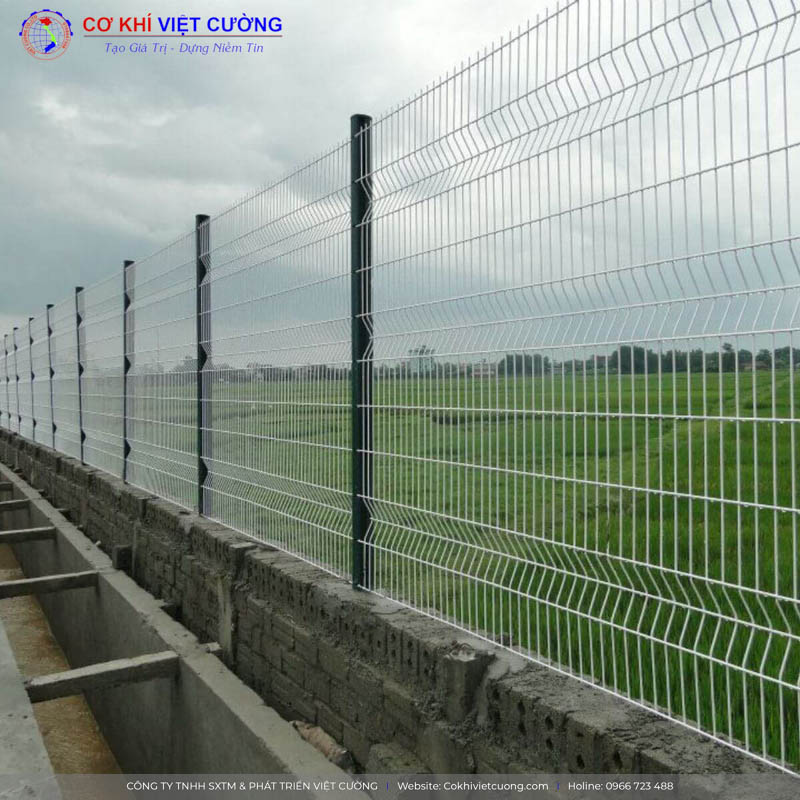
Technical Specifications for Quality Fencing
-
Material: High-grade Carbon Steel / Galvanized Iron
-
Height (Residential): 1.2m – 1.8m
-
Height (Industrial): 1.8m – 3.0m
-
Slat spacing: 80mm – 120mm (Ensures safety for children and airflow)
-
Surface treatment: Hot-dip galvanized or electrostatic powder coating
Why Choose Hang Rao Dep for Your Project?
Hang Rao Dep is a leading provider of industrial iron fence and residential solutions with years of hands-on experience. We standardize every step to eliminate errors from the start.
-
Expert technical consultation to mitigate risks.
-
Certified materials with clear origins.
-
Precision construction with high aesthetic finishes.
-
Transparent pricing and comprehensive warranties.
Frequently Asked Questions
1. What are the most common installation mistakes?
Choosing thin steel, weak foundations, poor weld quality, and inadequate surface protection.
2. How can I ensure my fence lasts 20+ years?
Prioritize hot-dip galvanizing or high-quality powder coating and ensure the foundation is engineered for your specific soil type.
3. What is the recommended slat spacing?
To ensure safety and security, spacing should stay between 80mm and 120mm.
See more: Steel Mesh Fence Installation by Viet Cuong Mechanical: Technical Standards & Reasonable Prices

Identifying and fixing iron fence installation errors early ensures your project remains beautiful, safe, and cost-effective for years to come. By following professional fence maintenance and installation guidelines, you protect your investment.
Contact Hang Rao Dep for expert consultation and professional execution today.
Contact Information:
Hang Rao Dep
-
Address: No. 72, Duong Duc Hien Street, Thuan An, Hanoi
-
Hotline: 034.515.536
-
Website: https://hangraodep.net/
-
Construction Consultant: 0966.723.488 (Mr. Truong)


